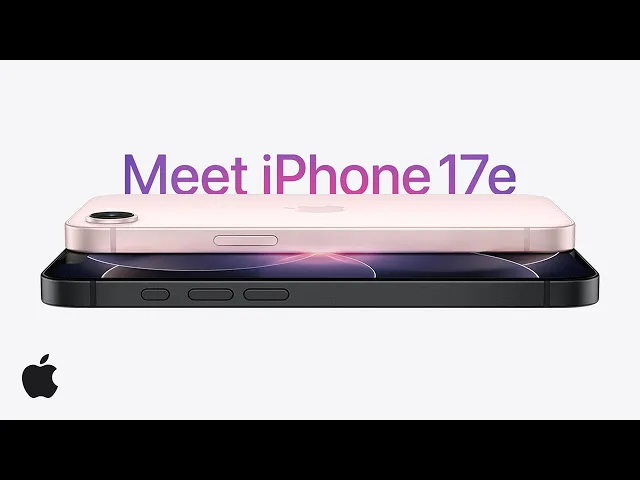
Apple Goes Affordable. The Strategy Behind Cheap and Cheerful Devices

Apple built its empire on the idea that premium prices signal premium value. That calculus is shifting. The MacBook Neo and iPhone 17e aren't accidents - they're a deliberate signal that Apple is rethinking who its products are actually for.
Apple's Affordable Push Is Not a Coincidence
The MacBook Neo and iPhone 17e arriving in the same window isn't a product scheduling quirk. This is a coordinated move into price-sensitive territory that Apple has historically avoided or treated as an afterthought. The iPhone SE line was always there, but it never felt like Apple's heart was in it - it was more of a defensive product than an offensive one. The Neo and 17e feel different. They carry the current Apple design language, not leftovers from three generations back. When a company starts putting its latest visual identity on its entry-level hardware, that's a statement about intent. Apple's average selling price for iPhones has been creeping up for years, and at some point the addressable market simply shrinks. Saturation in premium tiers is real - there are only so many people willing to spend $1,200 on a phone. The affordable device segment is where hundreds of millions of potential customers actually live, and Apple knows the math on that better than anyone.
Is the Global Economy Forcing Apple's Hand?
Honestly, yes - at least in part. Consumer purchasing power has taken a serious hit across multiple major markets since 2022. Inflation, rising interest rates, and general economic anxiety have made even loyal Apple users pause before upgrading. In markets like India, Southeast Asia, and Latin America - which Apple has been aggressively courting - the premium pricing model is simply a non-starter for the vast majority of buyers. India alone crossed 1.4 billion people, and the median smartphone budget there looks nothing like North America or Western Europe. Apple opened its first retail stores in India in 2023, which tells you everything about where their growth ambitions point. You don't open flagship stores in a market and then only sell $999 devices. The iPhone 17e price positioning and a more accessible MacBook aren't charity - they're market entry strategy dressed up in Apple's characteristic minimalism.
What the MacBook Neo and iPhone 17e Actually Change for Apple as a Brand
The MacBook Neo and iPhone 17e mark a confirmed shift in Apple's product strategy toward accessible price points, without abandoning current design standards or core software ecosystems. These products do not indicate Apple is abandoning its premium lineup - the MacBook Pro and iPhone Pro models remain the flagship tier. What changes is the entry barrier: consumers in mid-range budget segments can now access current-generation Apple hardware design and software features, including iOS 18 and macOS capabilities, without paying full flagship prices. What does not change is Apple's control over its ecosystem - these devices run the same operating systems, use the same App Store, and feed the same services revenue model as every other Apple product. The scope of this shift is primarily commercial and geographic, targeting growth markets and budget-conscious consumers in existing markets. It does not signal a quality compromise at the top of the lineup, nor does it represent Apple moving away from hardware margin discipline.

Being a Brand for Everyone Is Harder Than It Looks
There's a real tension Apple has to manage here. The brand's power comes partly from aspiration - the feeling that owning Apple puts you in a certain category. Flood the market with $499 MacBooks and that perception erodes. Samsung learned this the hard way with its sprawling lineup that made the Galaxy brand mean almost nothing at the mid-range level. Apple is betting it can thread that needle by keeping the design quality and software experience consistent across price points, even when the internals are scaled back. The services angle matters enormously here - an iPhone 17e user generates nearly identical App Store, Apple Music, and iCloud revenue as a Pro user. That's the real game. Hardware margin on an entry device might be thinner, but the lifetime services value of each new customer added to the ecosystem isn't. Getting 50 million new users into Apple's orbit through affordable hardware is worth more long-term than selling 5 million extra Pro units.
Apple isn’t trying to sell cheaper computers. It’s trying to sell the next billion users into its ecosystem.
And you can also share stories like this on your blog, just check JackSEO.