Mac Mini Shortage Explained. Why Apple's Most Popular Small Desktop Is Nearly Impossible to Find
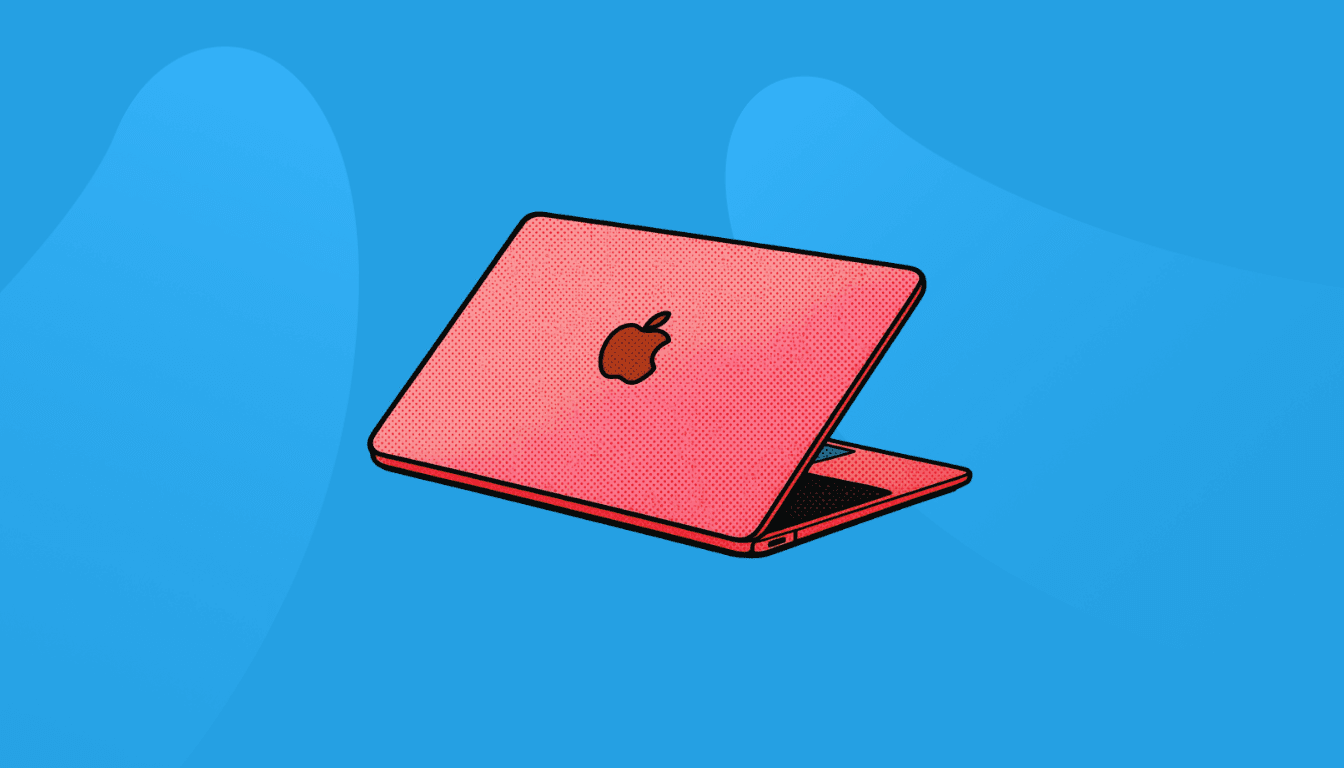
The Mac Mini has quietly become one of Apple's most talked-about machines - and right now, you can't easily get your hands on one. Supply is tight, demand is unusually high, and the timing couldn't be more interesting for anyone watching Apple's product cycle closely.
Why Is the Mac Mini So Hard to Buy Right Now?
Walk into most retailers or check Apple's own online store, and you'll find the Mac Mini either backordered or showing shipping delays stretching weeks out. This isn't a random logistics hiccup. The scarcity appears to be driven by two forces hitting simultaneously - a surge in demand from AI power users who've discovered that Apple Silicon chips handle local AI workloads remarkably well, and strong signals from the supply chain that a product refresh is coming. Apple tends to quietly let inventory drain before a new model drops. Anyone who's tracked Apple's product cadence for a few years recognizes this pattern immediately. The Mac Mini M4 lineup is the current generation, but when stock starts disappearing without explanation, experienced watchers start paying attention. Retailers aren't getting restocked at normal rates, and that gap between supply and demand is exactly what's creating the current shortage.
The AI Power User Factor Is Driving Demand Higher Than Expected
This is the part of the story that caught a lot of analysts off guard. The Mac Mini has become a go-to machine for running local AI models, especially large language models that require serious unified memory bandwidth. Apple Silicon's architecture - specifically the way CPU, GPU, and Neural Engine share a unified memory pool - turns out to be unusually well-suited for AI inference workloads. A Mac Mini with 64GB of unified memory costs less than a comparable Windows workstation built for the same task. The community around tools like Ollama and LM Studio has made the Mac Mini famous in AI hobbyist and developer circles over the past 12 months. Demand from this segment wasn't something Apple's retail forecasting likely accounted for in any serious way, and the machine became something of an underground recommendation among people building local AI workflows. That word-of-mouth effect compounds fast.
What This Shortage Does and Does Not Mean for Buyers and the Market
The current Mac Mini shortage is the result of converging demand from AI developers and a likely product refresh cycle - it does not indicate a permanent supply chain failure or a discontinuation of the product line. What it does mean is that buyers looking to purchase a Mac Mini today face real delays, and purchasing at current prices carries the risk of buying just before a spec update. The shortage affects retail availability across major markets but does not change the fundamental value proposition of existing Mac Mini models for content creation, AI workloads, and general productivity use. Apple has not officially announced a new model, and no confirmed release date exists as of the time of this article. The practical impact is straightforward - if you need a Mac Mini now, expect to wait or pay a premium through third-party sellers.
You Don't Need a Mac Mini to Build Serious Content - Tools Like JackSEO Work on Any Machine
Here's the practical reality for content creators caught in the middle of this shortage: waiting for hardware shouldn't mean putting your content production on hold. Solutions like JackSEO are platform-agnostic - they run just as well on a Windows machine, an older MacBook, or whatever you currently have on your desk. The ability to generate high-quality SEO content quickly doesn't depend on owning the latest Apple Silicon chip. JackSEO helps users produce optimized articles, product descriptions, and editorial content at speed, regardless of the operating system they're working on. In a field where AI-powered content tools are becoming standard workflow components, being locked into a hardware upgrade cycle is a real productivity risk - and tools built with platform independence in mind solve that problem directly. Whether the Mac Mini shortage resolves next month or a new model launches before summer, your content output doesn't have to pause while you wait.